
Get In Touch
WAREHOUSE CLEARANCE

Clear the warehouse.
One team.

A practical route for clearing racking, shelving, mezzanines, reusable plant and other warehouse equipment around your access and deadline.

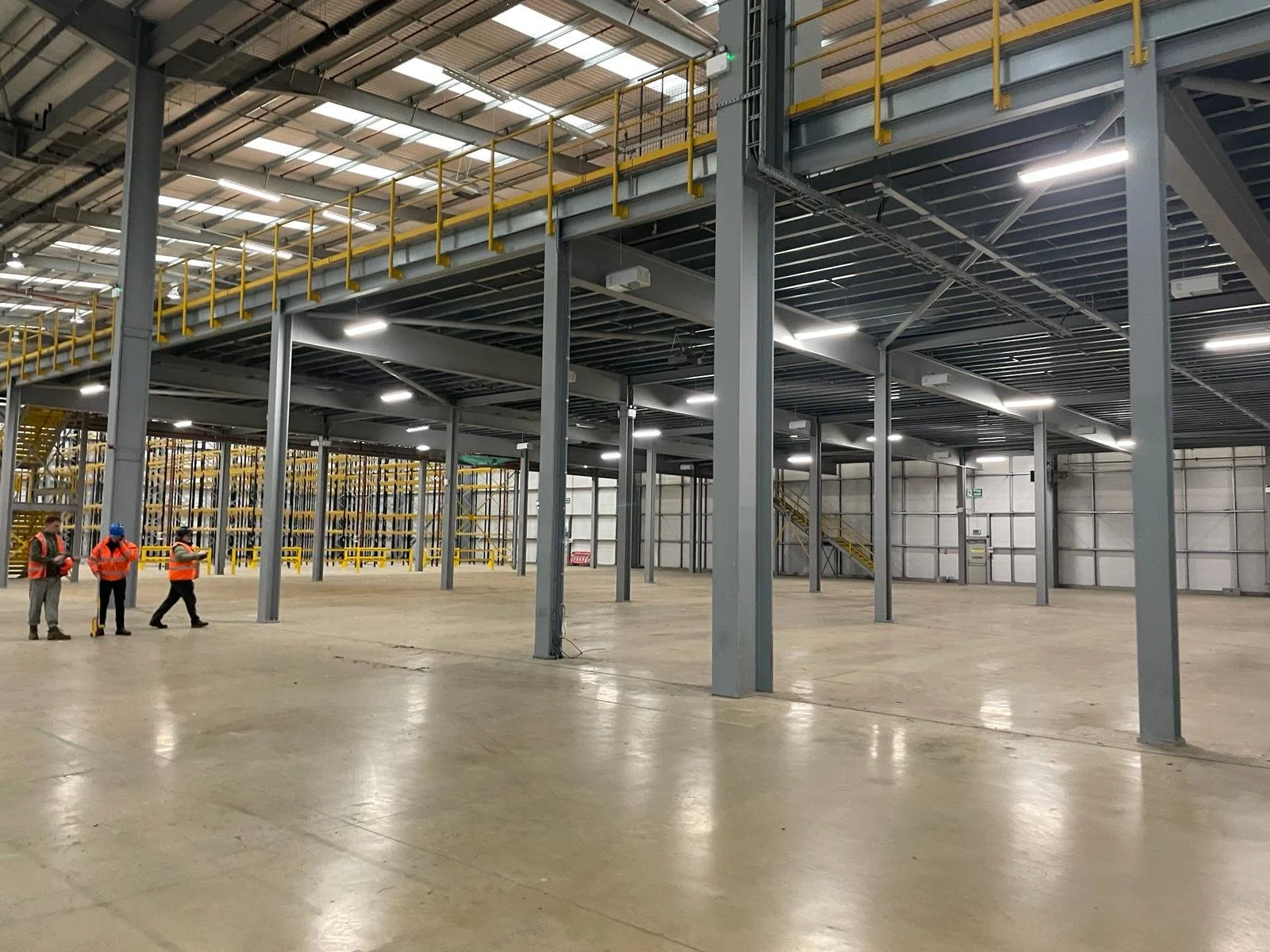
Clear the warehouse.
WAREHOUSE STRIP-OUTS

Clearance without
the hand-offs.

Rackway’s existing business covers racking, shelving, mezzanine floors and warehouse equipment. This page brings those capabilities together for larger clearances.

Storage equipment

Pallet racking, shelving, stillages and compatible components assessed for reuse.

Mezzanines & structures

Large mezzanine and structural storage systems dismantled as part of a planned programme.

Plant & equipment

Reusable warehouse plant and handling equipment can be assessed alongside the clearance.

Warehouse clearance
SEND THE BASICS

Photos. Postcode.
Deadline.

Include approximate quantities and access information if you have them. The team can work out what is needed next.

Send photos on WhatsApp →
WHY RACKWAY

Practical warehouse work.
One team.

Rackway’s current site positions the business around buying and selling storage equipment, safe removals, stock availability and a straightforward approach to getting projects completed.

01One team

Buy, sell, remove, clear and plan with one Rackway team rather than passing the job between multiple suppliers.

02Practical experience

Rackway’s published work covers everything from smaller storage jobs to major high-bay and mezzanine strip-outs.

03Stock and reuse

Used racking and storage equipment can move from clearance projects back into useful stock for future customers.

04Nationwide capability

Rackway combines its Reigate base and local contact points with project work across the UK.

RECENT RACKWAY WORK

Projects that show
the scale.

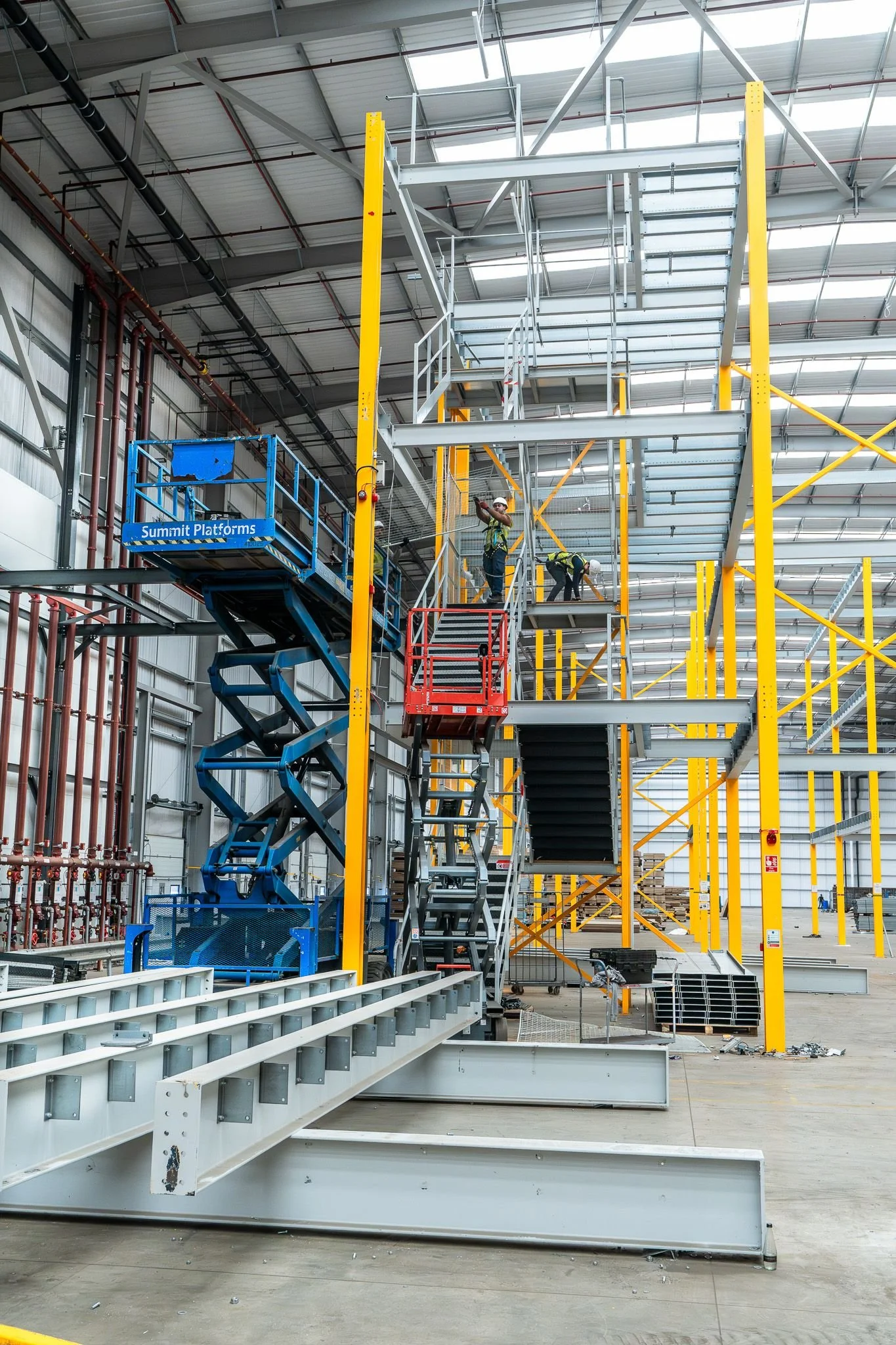
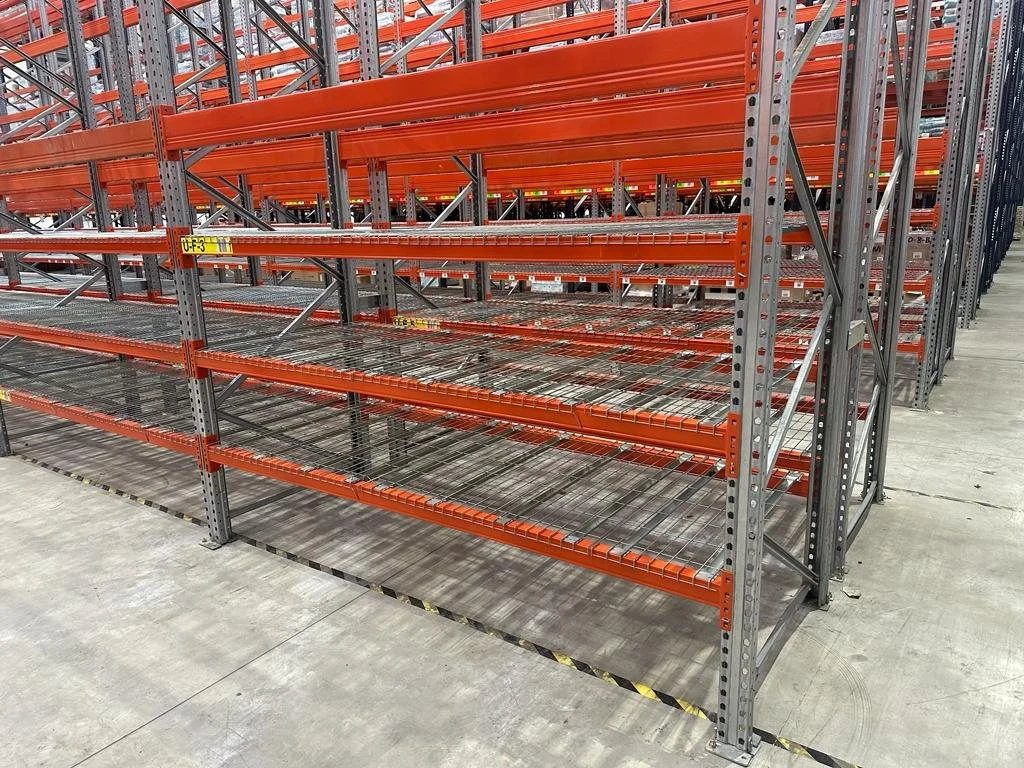
A few examples from Rackway’s published case-study archive, covering high-bay pallet racking, mezzanine floors, shelving and large strip-outs.
USEFUL NEXT STEPS

Buying, selling
or clearing?

Move directly to the part of Rackway that matches what you need to do next.

Buy used racking

Browse the buying guide, understand common racking components and start a stock enquiry.

Buy racking →
Sell / remove racking

Send photos and site details for equipment you want Rackway to value, dismantle or remove.

Racking removal →
Warehouse clearance

Talk through a larger clearance involving storage equipment, plant, access and programme constraints.

Warehouse clearance →
COMMON QUESTIONS

Useful answers.
Before you call.

Quick answers to the questions customers commonly need when buying, selling, removing or planning warehouse racking.

Can you clear more than pallet racking?+

Yes. Rackway’s wider clearance and removal work can include shelving, mezzanines and other reusable warehouse equipment.

Can the work be planned around our deadline?+

Yes. Access, sequencing, transport and the agreed programme are considered as part of the strip-out plan.

Do you handle the transport?+

Rackway’s removal process includes arranging its own transport to collect equipment from site.

Can you buy reusable equipment during a clearance?+

Where equipment has resale value and is suitable for purchase, Rackway can assess it as part of the overall clearance conversation.

Do you work nationwide?+

Yes. Rackway handles projects across the UK and uses its local contact points as part of one nationwide team.

Can you help with small jobs?+

Yes. Rackway works from single bays and spare components through to major warehouse projects.

NEED A QUICK ANSWER?

Send the basics.
Rackway can take it from there.

WhatsApp Rackway →Contact →
RACKWAY EXPERTISE

Useful detail.
No unnecessary waffle.

The practical points that keep a warehouse clearance controlled, commercially sensible and on programme.

WAREHOUSE CLEARANCE

Treat the building as a project, not a skip.

A full warehouse clearance can contain reusable racking, shelving, mezzanine structures, forklifts, plant, stillages, stock and items that need separate disposal routes.

Rackway offers a one-stop approach to clearing warehouses, including purchasing storage equipment and, where appropriate, residual stock and machinery. The advantage of assessing the site before material is mixed together is that reusable assets can be identified and removed in a controlled way rather than losing value during a rushed clear-out.

BUILD AN ASSET MAP

Know what is staying, selling, moving and leaving.

The first pass through the warehouse should classify assets by outcome.

Stay

Landlord fixtures, services and equipment that must remain in the building.

Sell / reuse

Racking, shelving, mezzanine components, forklifts, machinery, stillages or stock with reuse value.

Relocate

Equipment belonging to the business that is moving to another site.

Hire / third party

Items that must be returned to a rental company, supplier or other owner.

PROGRAMME THE EXIT

The final week should not contain every difficult task.

Warehouse exits are usually constrained by a lease date, new-site move, demolition handover or operational shutdown.

Map the dependencies. Stock may need to be picked down before racking can be dismantled. IT or automation may need specialist isolation before structures around it can be removed. Hired trucks may be needed until late in the programme but must be collected before final handback. Cleaning cannot finish while steelwork is still being loaded out.

REUSABLE STORAGE EQUIPMENT

Keep resale material separate from waste.

Rackway buys and sells used pallet racking, shelving and mezzanine equipment, so a clearance can include a commercial recovery stream as well as a removal stream.

Equipment in reusable condition should be dismantled and handled accordingly. Mixing it into general scrap can destroy resale value and make later sorting expensive. System identification, component condition and quantity should be recorded before dismantling where possible.

SITE LOGISTICS

The yard and loading doors can become the bottleneck.

Clearance work creates outward traffic at the same time that other contractors may be bringing equipment in.

Plan vehicle routes, holding areas, loading doors, dock availability, forklift movements and pedestrian access. If the estate has booking restrictions or limited articulated-lorry access, include that in the programme rather than discovering it when the first collection arrives.

HANDOVER CONDITION

Define “clear” in writing.

Different clients mean different things by warehouse clearance.

One project may require only removal of storage equipment; another may require all tenant assets to be gone, fixings cut/removed as agreed, areas swept and ready for another contractor. Some leases may require reinstatement works beyond Rackway’s scope. Establish the boundary before pricing.

CLEARANCE INFORMATION PACK

Give Rackway enough context to price the right job.

A strong first enquiry should explain the building, assets and deadline.

Useful checklist
  • ✓Site address and main contact.
  • ✓Target completion / handback date.
  • ✓Warehouse floor area and number of levels.
  • ✓Wide photos or video walk-through.
  • ✓Approximate quantities of racking, shelving and mezzanine.
  • ✓Plant, forklifts, stillages or machinery to be considered.